
Herbal Supplements
website's book
CA$5.00
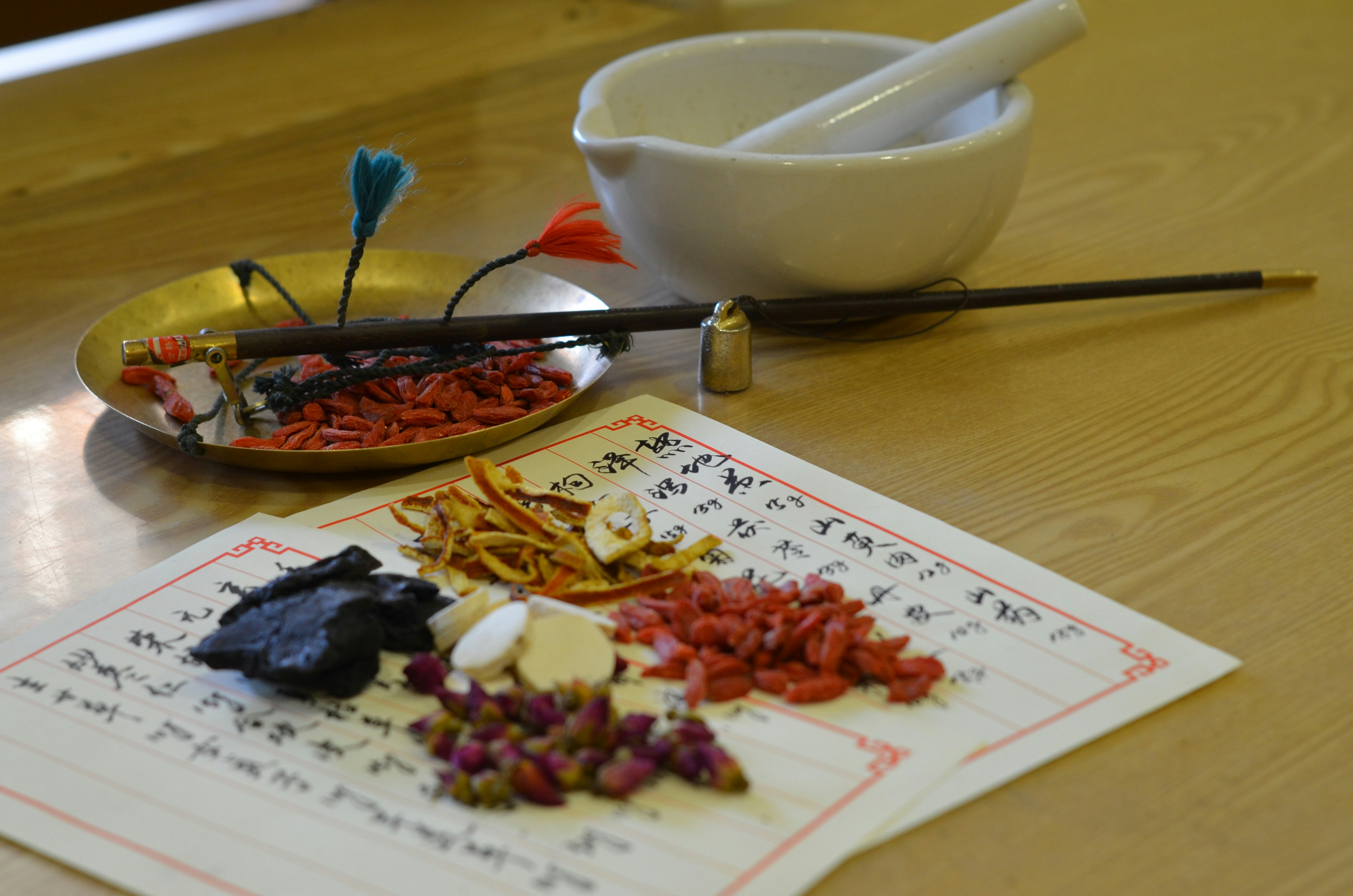
Herbal supplements are plant-derived products (oils, roots, leaves, etc.) used for health, available as teas, capsules, or powders, but unlike regulated medicines, their manufacturing isn't strictly controlled by bodies like the FDA, meaning potency and purity vary, and they can interact with medications, so consulting a doctor is crucial before use. Popular examples include Ashwagandha, Echinacea, Ginkgo, St. John's Wort, and Elderberry, but "natural" doesn't always mean safe, requiring caution and medical advice.
What They Are & How They're Used
Definition: Products from plants (roots, leaves, flowers, etc.) used to support health or treat conditions.
Forms: Capsules, tablets, teas, powders, tinctures, lotions, or added to baths.
Common Examples: Asian Ginseng, Turmeric, Ginger, Chamomile, Valerian.
Important Considerations
Regulation: Not regulated like pharmaceuticals; quality and content can differ from label claims.
Safety: Can have strong effects and interact with prescription drugs (e.g., St. John's Wort).
Effectiveness: Evidence varies greatly; some have benefits, while others lack scientific backing.
Consult a Professional: Always tell your doctor or pharmacist about any herbal supplements you're taking, especially before surgery or if on other medications.
Examples of Herbs & Their Uses (from NCCIH)
Ashwagandha: Adaptogenic, stress relief.
Echinacea: Immune support.
Ginkgo Biloba: Memory, circulation.
Elderberry: Antioxidant, immune support.
-- globalherbcare.com